Building a Culture of Coaching and Reflective Practice
Recognising that staff support is often reactive, this programme offers a structured framework to enhance wellbeing, retention, and professional development to foster a permanent cultural shift.
Introducing Coaching & Reflective Practice
Schools today face a critical challenge: while they are expected to prioritise staff wellbeing and retention, support often remains reactive rather than structured, leaving limited space for meaningful reflection, coaching, and professional dialogue.
This session provides the solution by moving beyond temporary initiatives to embed a sustainable coaching and reflective supervision culture across your entire setting. By establishing the time, structure, and consistency needed for staff to think and process their roles, this training translates theory into a practical model that strengthens practice and enhances leadership at every level. Participants will gain the confidence to lead meaningful coaching conversations using the EdWell Coaching & Supervision Toolkit, fostering a workplace culture in which staff are empowered to grow and excel.
Why Schools Need This Training
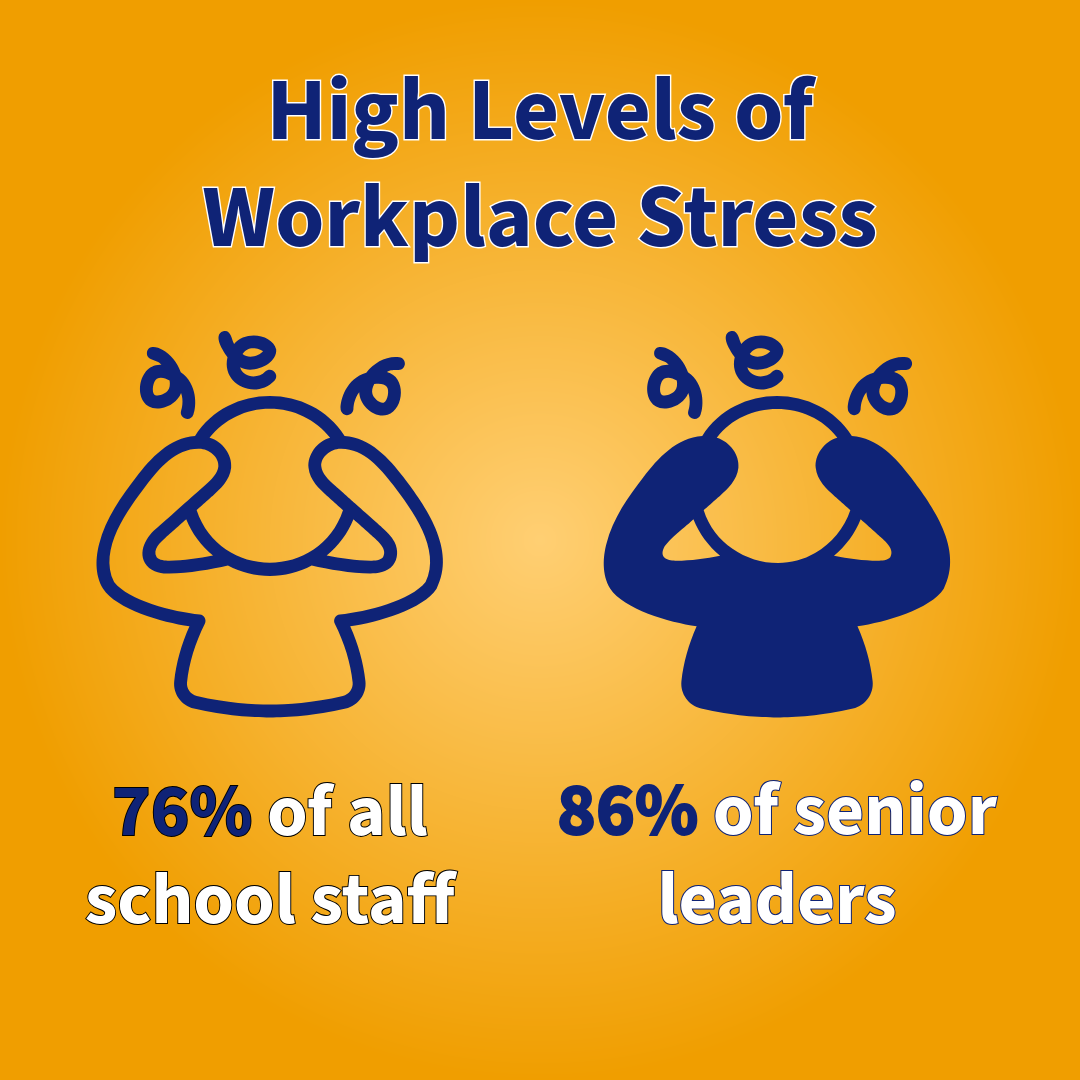
You cannot solve the teacher retention crisis with superficial perks; schools must address the core drivers of stress, isolation, administrative scrutiny, and a punitive oversight culture. Training staff in peer coaching and reflective practice transforms school culture from one of high-stakes performance management into one of psychological safety and shared growth. This directly addresses the 49% of staff who feel their school culture harms their mental health, driving down sickness absence and boosting retention through meaningful, structured professional support.


Test your knowledge
What is the core strategic focus for shifting a school's culture from reactive support to a sustainable coaching model?
How does the strategy of "structured reflection" specifically improve professional practice?
Which practical resources are recommended to help leaders embed consistent coaching conversations at all levels of a school?
To understand this topic in more depth, join our EdWell Session.
Understanding Coaching & Reflective Practice
The reflective supervision and coaching model is designed to move school environments away from reactive support toward a structured, sustainable culture of professional dialogue and growth by:
Structured Reflection vs. Reactive Support: Rather than only addressing issues as they arise, the model provides structured space for staff to think, process, and grow in their roles.
Sustainable Culture Shift: Not treated as a temporary initiative; instead, it focuses on building the time, structure, and consistency necessary for reflective practice to become a permanent part of the school's fabric.
Universal Application: Coaching and supervision are intended to be embedded at every level of the setting, ensuring leadership and practice are strengthened across the entire staff.
The training is grounded in DfE workforce wellbeing priorities and aligns with the leadership and personal development expectations found within the inspection framework. This ensures that the practice supports both institutional compliance and staff health.
By prioritising structured reflection, the training aims to improve decision-making, professional growth, and wellbeing to ultimately empower staff to handle the complexities of their roles more effectively, leading to better retention and practice.
Relevant Policy Frameworks & Official Reports
Education Endowment Foundation (EEF) — Professional Development & Coaching Evidence
High-Impact Professional Development: EEF research highlights instructional coaching and structured reflective practice as one of the most effective, evidence-based forms of Continuous Professional Development (CPD).
Teacher Self-Efficacy & Retention: Coaching increases teacher confidence, improves pedagogical practice in the classroom, and directly reduces feeling isolated—one of the main precursors to burnout.
Department for Education (DfE) — Education Staff Wellbeing Charter
Leadership & Organisational Culture: The DfE's Education Staff Wellbeing Charter explicitly calls on school leaders to create a culture that supports workload reduction, values staff feedback, and embeds non-judgmental professional dialogue.
Moving Away from High-Stakes Monitoring: Traditional, evaluative observation cultures drive high anxiety. A coaching model shifts the culture toward psychological safety, continuous improvement, and peer collaboration.
Ofsted Inspection Focus (Leadership and Management)
Staff Workload and Wellbeing Evaluation: Under the Ofsted framework, inspectors directly evaluate how effectively school leaders manage workload, protect staff mental health, and foster a supportive working environment.
Continuous Professional Learning: Inspectors look for evidence that professional development is coherent, supportive, and embedded in daily practice rather than delivered through top-down compliance exercises.
Useful tools and resources to support
To support student wellbeing, schools can access a variety of external resources and mental health guidance tailored to help young people navigate transitions and emotional outcomes they produce.
A Practical Guide for Schools
Purpose: to develop coaching to enhance teaching and learning as a new endeavour and to those where coaching already exists.
Free guidance report is designed to offer information and support for teachers and school leaders.

Measuring Staff Wellbeing Guide
Purpose: Improving Staff Wellbeing in Schools and Colleges
A guide to measuring staff wellbeing and developing an action plan.

Reflective Supervision
Purpose: 25 tools designed to help build, develop and consolidate reflective supervision in child and family services.

Reflective Supervision Toolkit
Purpose: support aspiring advanced/senior practitioners in developing reflective supervision.