
Senior Mental Health Leads
Transition from daily operational tasks to strategic school leadership, while building a sustainable wellbeing culture. To align institutional vision with national standards and empower staff to move beyond isolated interventions and establish a cohesive, whole-school approach to emotional health.
Introducing Senior Mental Health Leads to Strategy, Culture & Whole-School Impact
Senior Mental Health Leads (SMHLs) are currently caught in a difficult balancing act: managing high-level strategic responsibilities while facing intense operational pressures and limited time. Moving from simple coordination to effective whole-school leadership is often hindered by evolving expectations and the need for measurable impact.
The training session provides the solution, offering the strategic clarity and practical tools necessary to bridge the gap between vision and implementation. Grounded in DfE guidance and aligned with Ofsted frameworks, this training empowers you to move beyond individual interventions and embed a sustainable, whole-school approach that is visible and measurable across your entire setting
Why this training matters
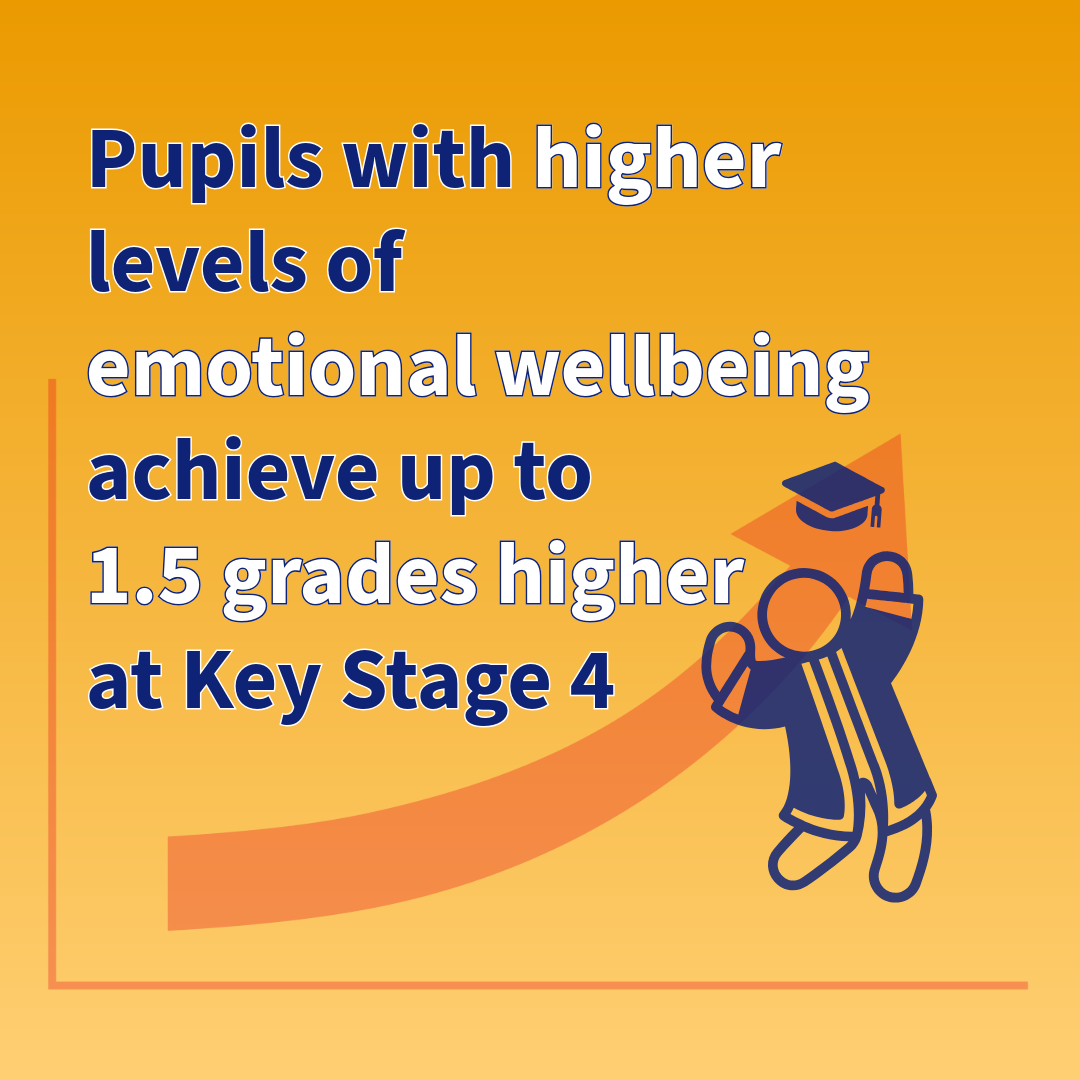
An ad-hoc or purely reactive approach to pupil mental health is unsustainable and leaves schools overwhelmed by crisis management. Training Senior Mental Health Leads to design, deploy, and evaluate a strategic Whole-School Approach ensures that mental health support is embedded into policy, curriculum, and leadership structure. This strategic shift improves academic attainment, reduces persistent absence, satisfies Ofsted inspection standards, and builds a sustainable, resilient school culture.
Test your knowledge
Why might an SMHL struggle to establish a truly "whole-school" culture of mental health?
What transition is often difficult for those in a mental health leadership role?
Which of the following best describes the "strategic gap" many SMHLs must overcome to be effective?
To understand this topic in more depth, join our EdWell Session.
Understanding Strategy, Culture & Whole-School Impact for Senior Mental Health Leads
The SMHL is a pivotal position responsible for developing a coherent, whole-school approach to wellbeing. This role requires a delicate balance between high-level strategic responsibilities and day-to-day operational pressures, often within time constraints. The goal for an effective SMHL is to move beyond mere coordination of activities and transition into whole-school leadership, where they can drive systemic change.
A whole-school approach is defined as a mental health and well-being culture that is consistent, visible, sustainable, and measurable across the entire setting. Rather than relying solely on individual interventions for specific students, this approach embeds wellbeing into the school's very fabric by aligning policy, practice, and culture.
Strategic leadership involves bridging the gap between a school's vision and its actual implementation. This requires strategic clarity—a clear understanding of expectations and priorities—to ensure that wellbeing systems are not just theoretical but are embedded "in practice".
A critical component of strategic leadership is the ability to evaluate the impact of provision and evidence. This means moving toward sustainable wellbeing systems that can be measured to prove their effectiveness. Establishing a robust framework for evaluating impact allows leaders to meet evolving expectations around accountability.
Effective mental health leadership is not isolated; it is grounded in national expectations and guidance from the Department for Education (DfE). Furthermore, a strategic approach must align with the Ofsted inspection framework, specifically regarding:
Leadership and management
Personal development
Safeguarding culture.
By connecting school-wide mental health strategies to these established frameworks, leaders can ensure their provision meets both internal goals and external regulatory standards.
Relevant Policy Frameworks & Official Reports
DfE & DHSC Joint Guidance — Promoting Children and Young People's Mental Health
The 8 Core Principles: The Department for Education and Department of Health & Social Care outline 8 core principles for a Whole-School Approach to mental health:
Leadership & Management School Culture & Ethos Curriculum,
Teaching & Learning, Pupil Voice
Staff Development, Health & Wellbeing
Identifying Need & Monitoring Impact
Working with Parents/Carers
Targeted Support & External Services
Strategic Role: The framework mandates that SMHLs operate at a strategic level—mapping existing provision, embedding universal prevention, and overseeing targeted interventions rather than acting as individual counsellors.
Keeping Children Safe in Education (KCSIE) & Working Together to Safeguard Children
Early Help Framework: KCSIE explicitly links mental health to safeguarding. SMHLs work alongside Designated Safeguarding Leads (DSLs) to ensure mental health concerns are identified early before reaching statutory safeguarding thresholds.
Ofsted Inspection Framework — Leadership, Behaviour & Personal Development
Evaluating Whole-School Culture: Inspectors do not just look at isolated pastoral interventions; they evaluate whether mental health and well-being are embedded into the school's overall vision, leadership, and policy framework.
Impact on Behaviour & Attendance: Ofsted scrutinises how leadership addresses the root causes of distress, disruptive behaviour, and low attendance through early, structured mental health support.
Useful tools and resources to support
To support student wellbeing, schools can access a variety of external resources and mental health guidance tailored to help Senior Mental Health Leads create a whole-school approach to wellbeing.
Toolkit for Schools and Colleges
Purpose: to make schools and college staff aware of the range of validated instruments that can be used to measure and monitor student mental wellbeing.

Whole School Approach Audit Tool
Purpose: To assess your setting’s progress towards developing a whole-school or college approach.
A good starting point for mental health leads and senior leaders to consider what they may need to implement.

A Manual for Mental Health Support Teams
Purpose: to support the development, implementation and delivery of Mental Health teams.

10 Tips on Supporting Mental Health
Purpose: To help Mental Health leads keep a core thread of mental health and wellbeing running through all school activities and clearly link with whole-school priorities.