Train the Facilitator – Student Wellbeing Ambassadors
Establish and manage student wellbeing ambassador initiatives to move beyond superficial projects and create sustainable, peer-led support systems.
Introducing Student Wellbeing Ambassadors
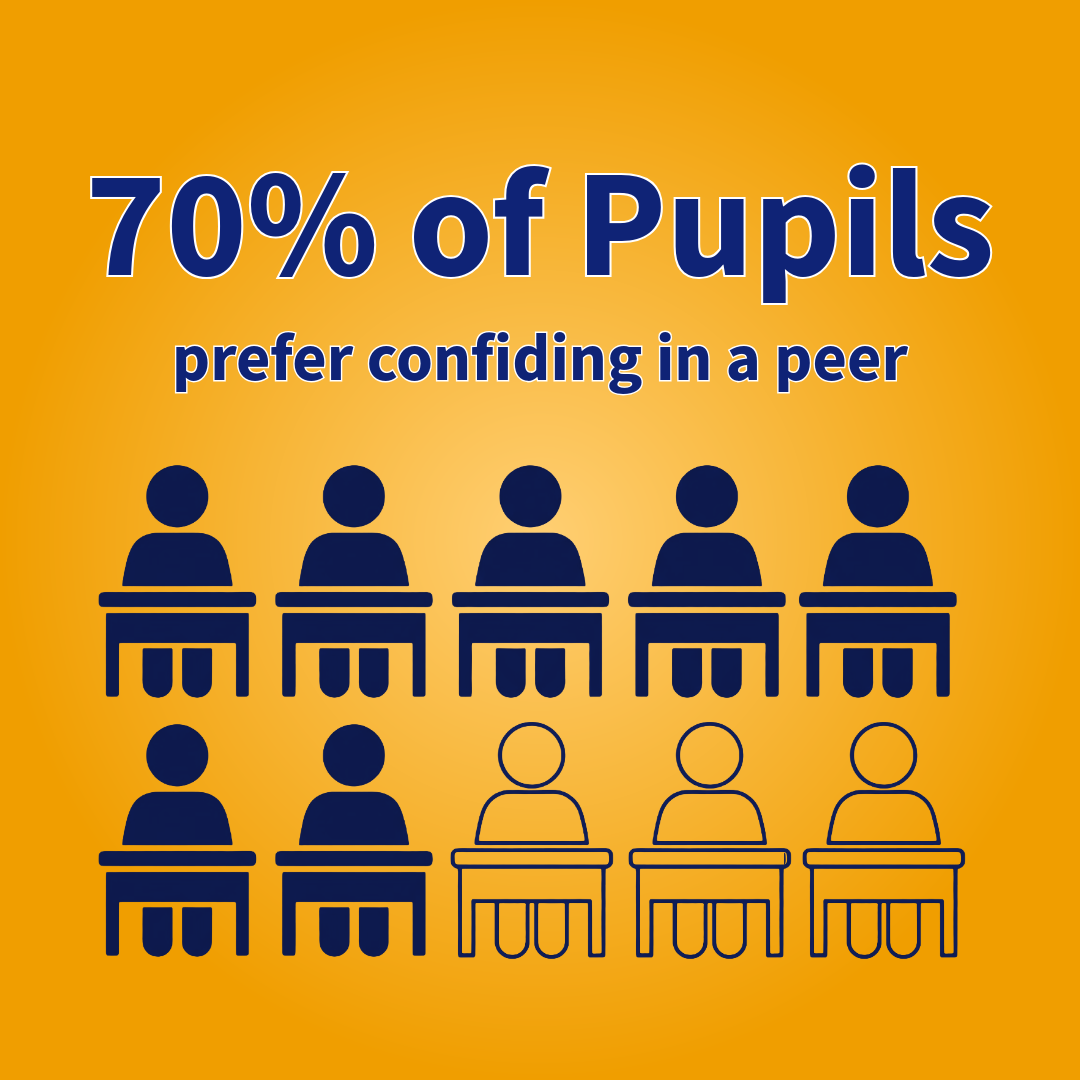
While student wellbeing ambassadors have the potential to be a powerful force for culture change in schools, many programs fail to reach their full potential. Without clear structure, professional training, and dedicated facilitation, these initiatives often lose impact or become tokenistic, leaving students without a meaningful voice and staff without a clear strategy.
This EdWell Train the Facilitator session provides the solution by equipping staff with the knowledge and confidence to move beyond surface-level initiatives. By grounding the program in whole-school wellbeing principles and providing a comprehensive Ambassador Toolkit, this training ensures that student-led support is sustainable, safe, and meaningfully embedded into the heart of your school’s culture.
Why this training matters
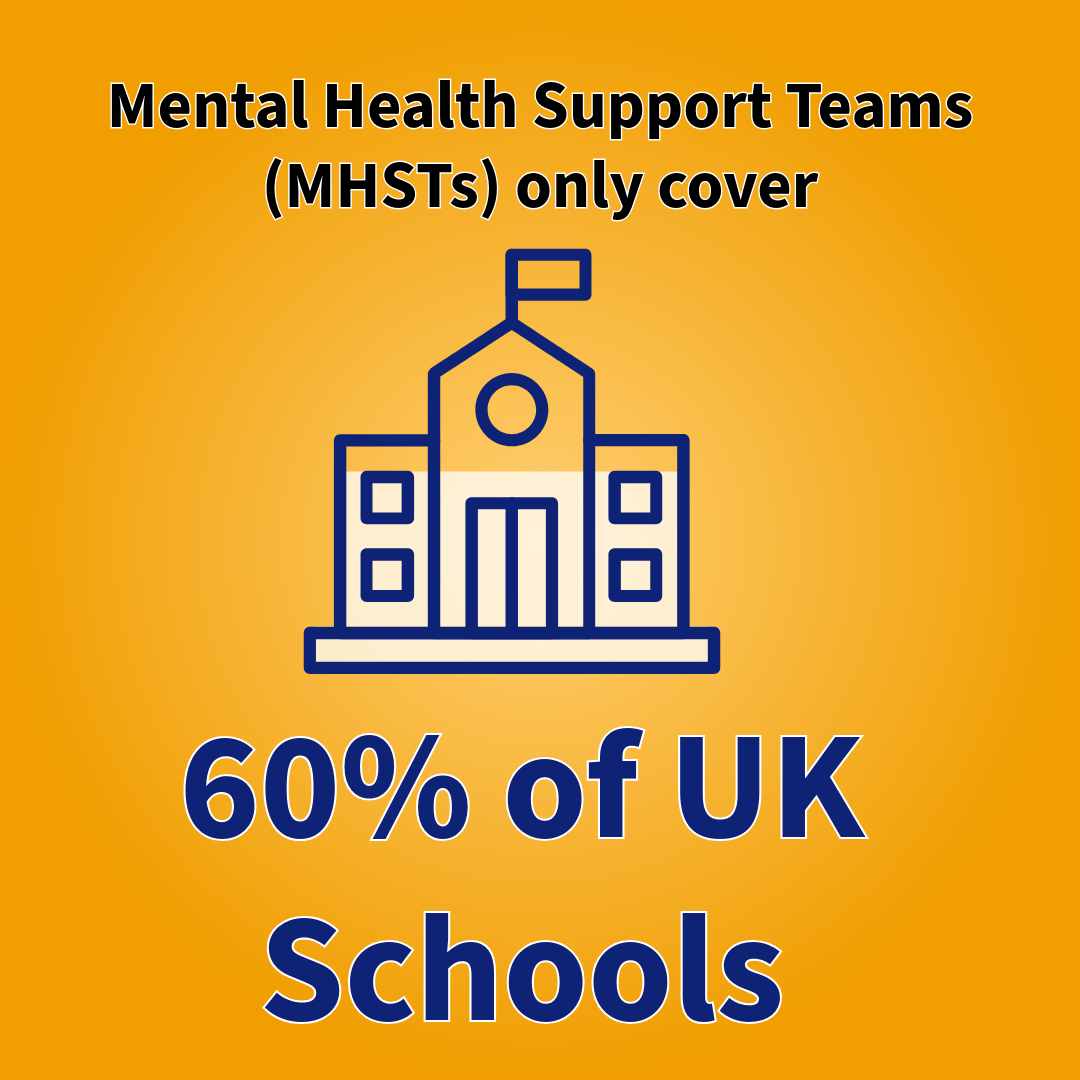
Peer support programs fail when staff lack the framework to supervise student leaders safely. Training the facilitator ensures pastoral staff can recruit, train, and manage Student Wellbeing Ambassadors within safe safeguarding boundaries, maintain clear escalation routes to the Designated Safeguarding Lead (DSL) while embedding a sustainable, pupil-led culture.
Test your knowledge
What is a primary risk for student wellbeing ambassador programmes that lack clear structure, training, and facilitation?
How do peer-led approaches contribute to the school setting?
When structuring the facilitation of a student ambassador programme, what critical elements does the training help staff embed to ensure the initiative is safe and professional?
To understand this topic in more depth, join our EdWell Session.
Understanding Student Wellbeing Ambassadors
The core concepts of the Student Wellbeing Ambassador programme and its associated training are centred on moving from surface-level initiatives to deeply embedded, sustainable school cultures by:
Student Wellbeing Ambassadors - students trained to act as a powerful force for culture change within their schools to shape peer-led support, strengthen a sense of belonging, and ensure that students have a meaningful voice in the school's approach to wellbeing.
The Train the Facilitator Model - a professional development approach for school staff designed to equip them with the knowledge, confidence, and practical tools needed to lead the programme to ensure staff can design, launch, and sustain an effective initiative specifically tailored to their school setting.
Whole-School Wellbeing Strategy - grounded in whole-school wellbeing principles, meaning the ambassador programme is not treated as an isolated project but is meaningfully embedded into the wider school strategy.
Safeguarding and Boundaries - A critical concept in this training is establishing clear boundaries and safeguarding protocols, so that safeguarding is embedded throughout. This ensures that, while students are empowered to support their peers, they do so within a safe framework that protects both the ambassadors and the students they assist.
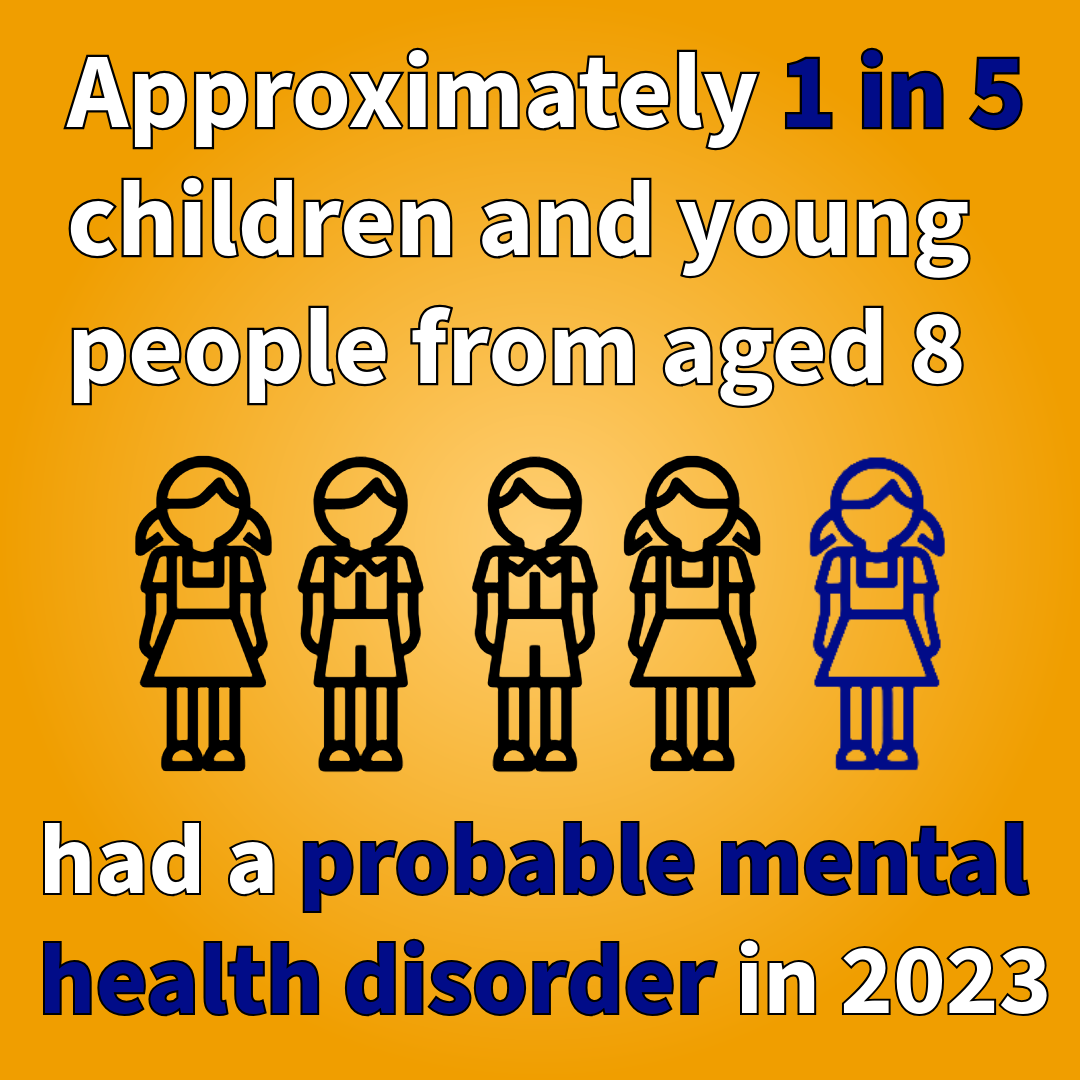
Early Intervention - By training students to recognise and support wellbeing needs early, the programme facilitates early intervention, helping to address issues before they escalate and is vital for creating an environment where students feel safe and supported by their own community.
Useful tools and resources to support
To support student wellbeing, schools can access a variety of external resources and mental health guidance tailored to help young people navigate transitions and emotional outcomes they produce.
Wellbeing ambassadors training programme for secondary schools and colleges
Purpose: support staff to train young people to implement a peer-led wellbeing support programme
An e-learning and toolkit to support secondary schools and colleges.

Peer-led Wellbeing Ambassadors Training for Primary Schools
Purpose: provide 2.5 hours of training and a printable workbook
Free Peer-led Wellbeing Ambassadors Training for Years 5 and 6.

Peer Education Project (PEP) Overview
Purpose: secondary school-based educational programme that aims to give young people the skills and knowledge they need to safeguard their mental health and that of their peers.

Inspire Wellbeing Resource Pack
Purpose: To empower young women to improve their mental and physical health and wellbeing through the wellbeing ambassador training.