Supporting Neurodiversity Burnout & Pathological Demand Avoidance
Reconceptualise neurodivergent behaviours within schools to instead prioritise emotional safety and relational support long-term emotional regulation through the use of practical toolkits and empathy.
Introducing Neurodiversity Burnout & Pathological Demand Avoidance (PDA)
What looks like defiance is actually an overwhelmed nervous system. Schools are increasingly supporting neurodivergent students facing burnout and demand-avoidant profiles, yet these signs of distress are frequently misunderstood as behavioural challenges rather than unmet well-being needs. This misunderstanding can lead to a cycle of escalation that impacts student engagement and attendance.
Nurturing Neurodivergence: From Burnout to Emotional Regulation offers the solution by shifting the focus from curriculum adaptation to emotional safety and relational support. This training empowers staff to recognise the root causes of burnout and PDA-related distress, and to provide practical strategies for creating calmer environments and prioritising regulation. Participants will leave with the confidence to respond to distress in ways that strengthen safety and support the long-term mental health of every student.
Why this training matters
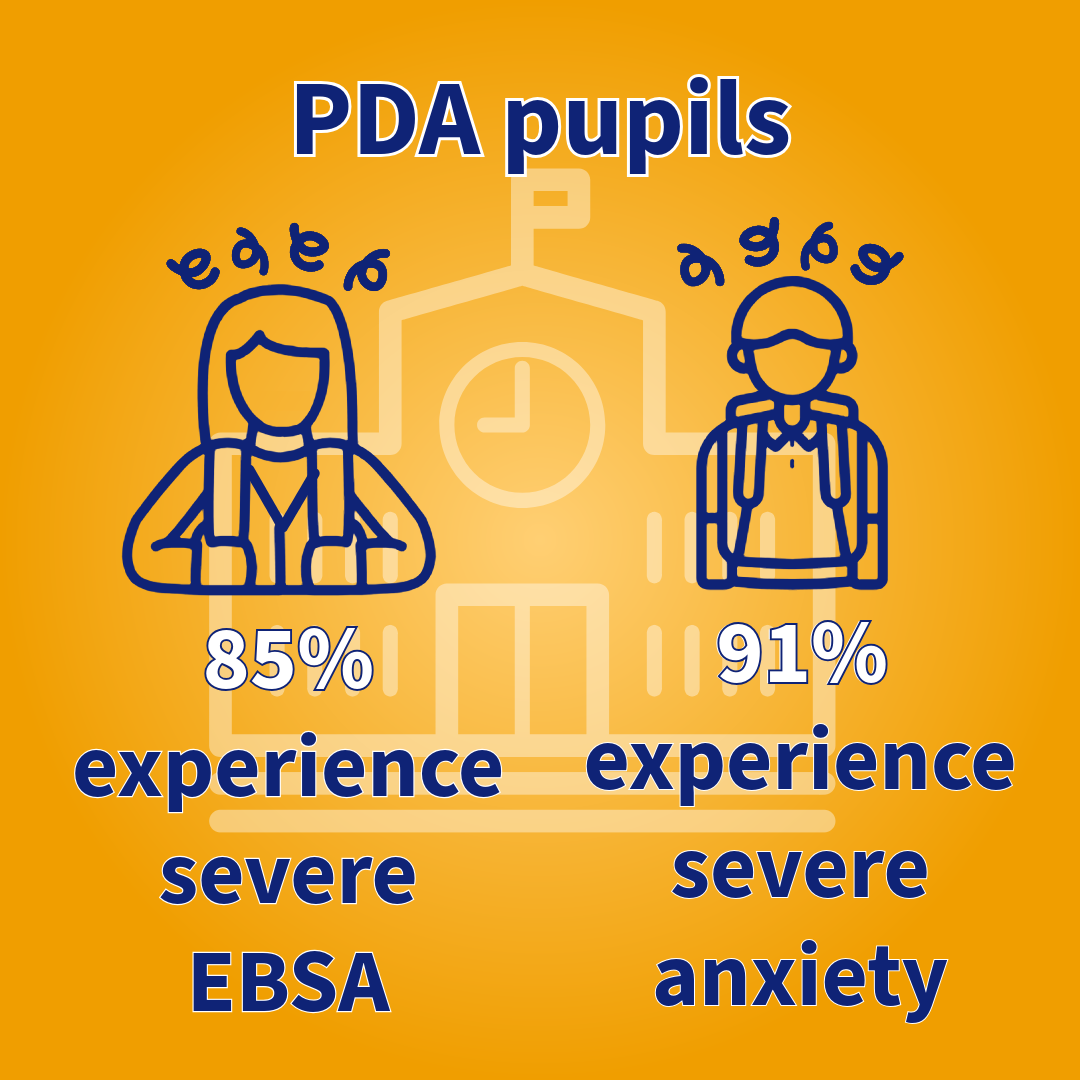
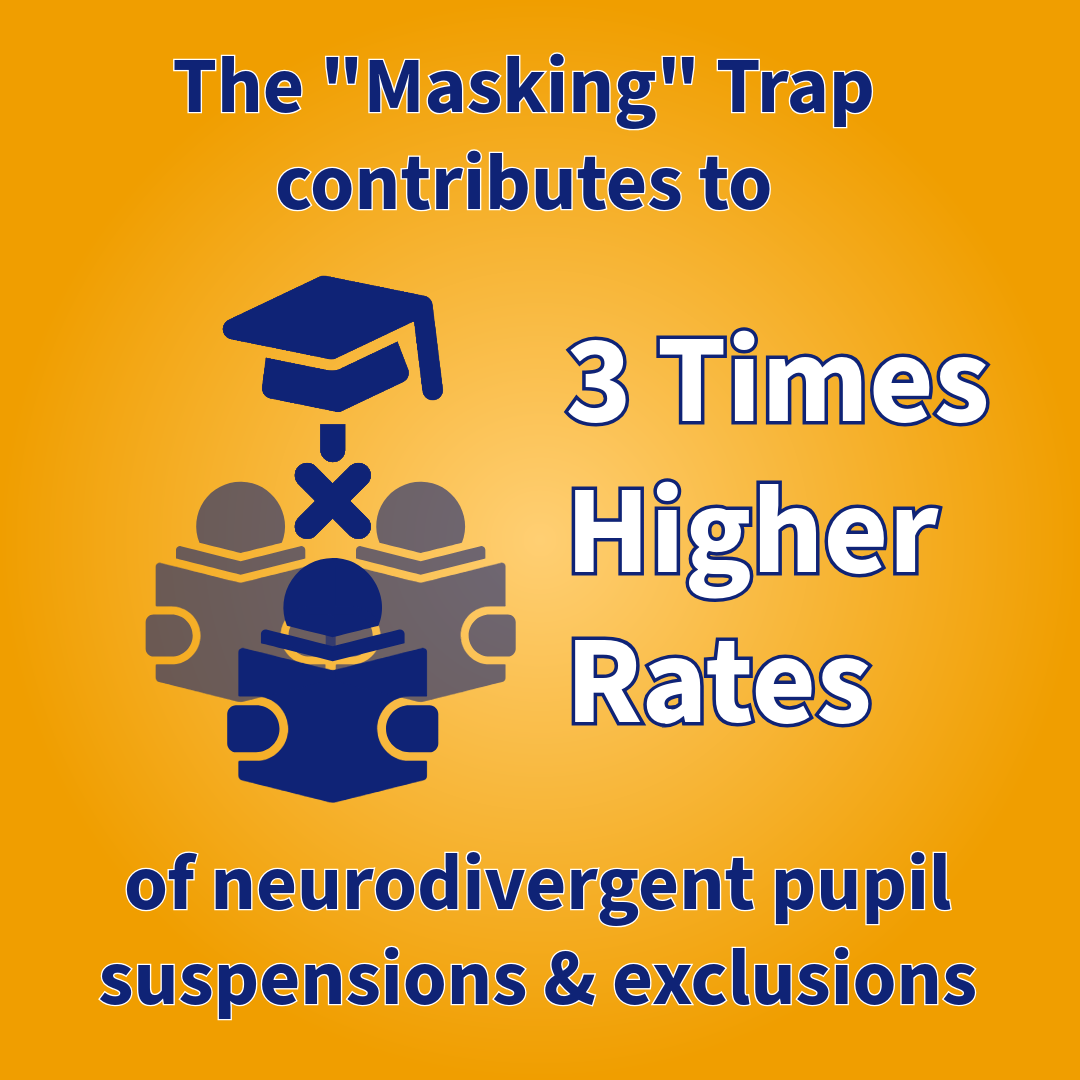
Traditional, top-down behaviour policies actively cause harm to PDA pupils, escalating fear-based anxiety into severe burnout, EBSA, and family crisis. Without specialised training, educators risk mistaking PDA and sensory overload for non-compliance or bad behaviour. Equipping staff with low-arousal, collaborative, and neuro-affirming approaches allows schools to uphold their legal duties under the Equality Act, prevent unlawful exclusions, reduce attendance drop-offs, and protect vulnerable pupils from burnout.

Test your knowledge
How are distress, withdrawal, and extreme avoidance of expectations in neurodivergent students frequently misinterpreted?
What are the actual roots of burnout and Pathological Demand Avoidance (PDA) profiles in school settings?
Instead of focusing primarily on curriculum adaptation, what does a school need to prioritise for supporting neurodivergent students?
To understand this topic in more depth, join our EdWell Session.
Understanding Neurodiversity Burnout & Pathological Demand Avoidance
Instead of focusing solely on cognitive differences or curriculum adaptation, this training frames neurodiversity through the lens of mental health and nervous system regulation. A student's ability to engage with school is deeply tied to their internal state of safety and well-being rather than just their academic ability.
Burnout is defined as a state where a student’s nervous system becomes chronically overwhelmed. It often manifests as:
Heightened anxiety.
Withdrawal or extreme avoidance of expectations.
Reduced engagement and attendance, as the student no longer has the internal resources to cope with the school environment.
PDA is a profile where students experience extreme distress or avoidance when faced with expectations. In a school setting, this can look like a refusal to follow instructions, but these reactions are rooted in unmet well-being needs rather than a lack of discipline.
Defiance is often misinterpreted as a behavioural choice or a challenge to authority.
Distress is an involuntary response to an overloaded nervous system. By recognising behaviour as communication, staff can move away from punitive measures and toward supportive interventions.
The solution is prioritising emotional safety over academic output through
Relational Strategies: Using the teacher-student relationship to foster a sense of security.
Predictable Environments: Creating calmer, more structured settings that reduce the triggers for nervous system overload.
Regulation-First Response: Prioritising the student's emotional state to de-escalate situations and support long-term mental health.
This approach aligns with the Department for Education (DfE) expectations for inclusive practice and reflects the supportive culture prioritised by Ofsted.
Ofsted: Behaviour and attitudes expectations
DfE Statutory Guidance — Suspensions & Permanent Exclusions:
Disability Discrimination & Unmet SEND: The statutory DfE guidance on suspensions and permanent exclusions reinforces that exclusion must be a last resort.
Legal Duty on Reasonable Adjustments: School leaders and SENCOs are legally bound under the Equality Act 2010 and the Children and Families Act 2014 to ensure that "distress behaviours" driven by unmet neurodivergent needs or PDA are met with reasonable adjustments rather than disciplinary sanctions. Issuing suspensions for behaviours arising directly from an unaccommodated disability constitutes unlawful discrimination
SEND Code of Practice (0–25 Years) & Graduated Approach
Person-Centred & Adaptive Support: The SEND Code of Practice mandates a graduated response (Assess, Plan, Do, Review) centred on individual needs. For PDA and burnout, standard behavioural strategies (fixed rewards/punishments, rigid routines) often backfire. The Code requires settings to adapt environment and approach rather than forcing the child to conform to rigid neurotypical expectations.
Ofsted Inspection Framework — Focus on Inclusion
Inclusion as an Explicit Judgement: Under Ofsted’s evaluation criteria, inspectors scrutinise how effectively mainstream schools support neurodivergent learners.
Evaluating Behaviour vs. Needs: Inspectors actively evaluate whether a school's behaviour policies are sufficiently flexible for SEND pupils, ensuring settings do not disproportionately penalise neurodivergent distress or EBSA.
Working Together to Improve School Attendance (DfE)
Distinguishing Truancy from EBSA: Statutory attendance guidance requires schools to distinguish between willful truancy and EBSA driven by neurodivergent burnout or anxiety. Schools are expected to implement low-demand environments, flexible timetables, and relational adjustments to support re-engagement.
Useful tools and resources to support
To support student wellbeing, schools can access a variety of external resources and mental health guidance tailored to help young people navigate transitions and emotional outcomes they produce.
Neurodiversity-affirming Guide
Purpose: guidance on recognising burnout and shares supportive, low-demand approaches that prioritise regulation, autonomy and wellbeing.
The free guide focuses on Autistic burnout and the impact of masking.
Autistic Fatigue and Burnout
Purpose: a guide for parents and carers
This guide explains more about the importance of managing your energy levels and sharing resources and tools
A Practical Guide for PDA
Purpose: to support learners with a PDA Profile using this practical guide
Strengths-based Support
Purpose: Explores how adapted, sensory-informed and play-based approaches can improve engagement, wellbeing and mental health outcomes.